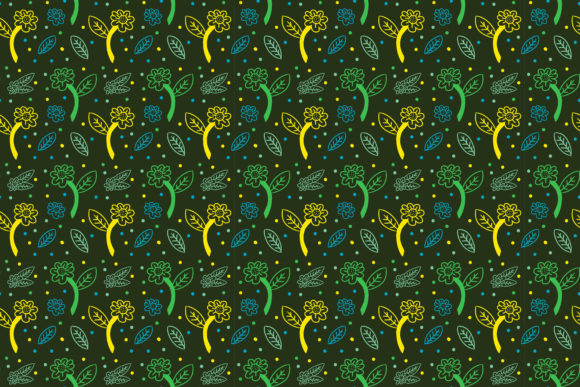
Flower Green Background Pattern: A Versatile Design Element for Modern Creatives
Flower Green Background Pattern is a popular design choice among creators, designers, and entrepreneurs who seek to add a touch of nature to their projects. This pattern combines the elegance of floral elements with the calming presence of green hues, making it ideal for a wide range of applications—from digital backgrounds to print materials. Whether you're designing a website, creating a fashion collection, or crafting a product label, understanding how to use Flower Green Background Pattern effectively can elevate your work and enhance user experience.
What Is Flower Green Background Pattern?
Flower Green Background Pattern refers to a seamless design that features stylized flowers, leaves, and circular motifs set against a dark green backdrop. It is often used in graphic design, textile printing, and web development to create visually appealing and cohesive layouts. The pattern is characterized by its abstract nature, allowing for creative interpretation while maintaining a sense of natural harmony.
This design element is especially popular in industries such as fashion, interior design, and digital media. Its versatility makes it suitable for both modern and retro aesthetics, depending on how it's implemented. The key components—flowers, leaves, and circles—create a dynamic yet balanced composition that can be adapted to various themes and purposes.
Common Mistakes When Using Flower Green Background Pattern
While Flower Green Background Pattern offers great potential, there are several common mistakes that can undermine its effectiveness. Here are some pitfalls to avoid:
- Overcomplicating the design: Adding too many elements or using overly intricate details can make the pattern feel cluttered and overwhelming. This can detract from the visual appeal and reduce readability, especially in digital contexts like websites or presentations.
- Ignoring contrast: Choosing a dark green background without considering the contrast with other elements can lead to poor visibility. Text or images placed over the pattern may become difficult to read or distinguish.
- Using the wrong file format: Not all formats are suitable for every application. For instance, using a low-resolution image for a high-quality print project can result in pixelation and loss of detail.
- Not checking scalability: If the pattern is not designed for seamless repetition, it can create visible seams when tiled across large surfaces, which can be distracting and unprofessional.
How These Mistakes Affect Your Work
These errors can have a significant impact on the final outcome of your project. Overly complex designs may confuse viewers and dilute your message, while poor contrast can make your content hard to read. Inappropriate file formats and lack of scalability can also affect the quality of your output, leading to a less polished appearance.
For example, if you're designing a website header with Flower Green Background Pattern but fail to ensure proper contrast between the background and text, users may struggle to read the content, leading to a higher bounce rate. Similarly, using an unsuitable file format for a print project could result in a lower-quality product that doesn't meet your expectations.
Practical Advice for Using Flower Green Background Pattern
To make the most of Flower Green Background Pattern, consider the following tips:
- Keep it simple: Focus on a few key elements—such as a single type of flower or leaf—to maintain clarity and visual balance. This approach ensures that the pattern enhances rather than overwhelms your design.
- Ensure good contrast: Choose colors that provide sufficient contrast against the dark green background. Lighter shades of yellow, white, or pink can help text stand out more clearly.
- Use the right file format: For digital use, PNG files are ideal due to their support for transparency. For print, vector formats like SVG or AI are best, as they allow for crisp, scalable images without loss of quality.
- Test for scalability: Before finalizing your design, test the pattern at different sizes to ensure that it repeats seamlessly and maintains its integrity across large areas.
Realistic Examples and Better Approaches
Imagine you're creating a packaging design for a new line of organic skincare products. Using Flower Green Background Pattern can give your packaging a natural, eco-friendly look. However, instead of using a busy, detailed pattern, opt for a simpler version with fewer elements. This will make the branding more readable and professional.
Another example is using this pattern as a background for a blog post about springtime gardening. By ensuring that the text color contrasts well with the green background, you can create a visually appealing layout that keeps readers engaged without causing eye strain.
What to Check Before Using Flower Green Background Pattern
Before incorporating Flower Green Background Pattern into your project, take the time to evaluate the following factors:
- Licensing and copyright: Ensure that you have the right to use the pattern, especially if you're using it for commercial purposes. Some patterns may require attribution or payment for use.
- Compatibility with your project: Consider how the pattern will interact with other design elements. Will it complement your brand colors? Does it align with the overall theme of your project?
- User experience: Think about how the pattern will appear on different devices and screen sizes. Will it remain legible and visually appealing on mobile phones, tablets, and desktops?
By carefully evaluating these aspects, you can ensure that Flower Green Background Pattern enhances your project rather than detracts from it. This thoughtful approach will help you achieve a more professional and effective design outcome.
Final Thoughts
Flower Green Background Pattern is a powerful tool for designers and creators looking to infuse their work with a touch of nature and elegance. By avoiding common mistakes and following practical advice, you can use this pattern effectively across a variety of applications. Whether you're working on a digital project, print material, or textile design, taking the time to understand and apply this pattern thoughtfully can significantly improve the quality and impact of your work.