Ornament Pattern Islamic Illustration: A Timeless Design Element
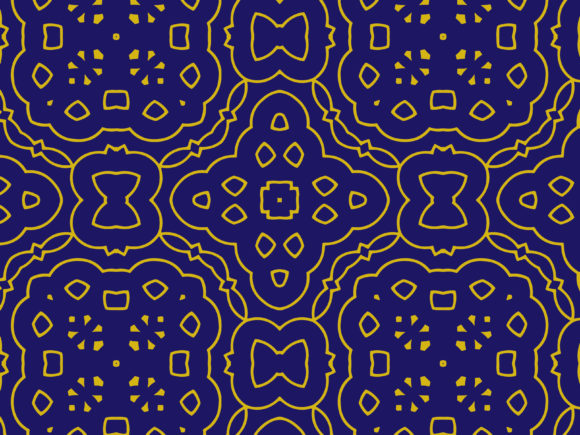
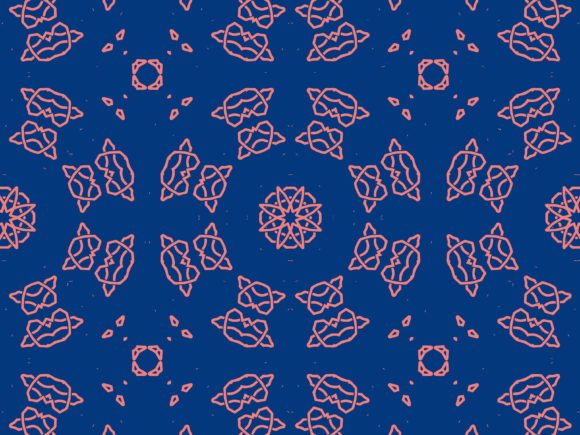
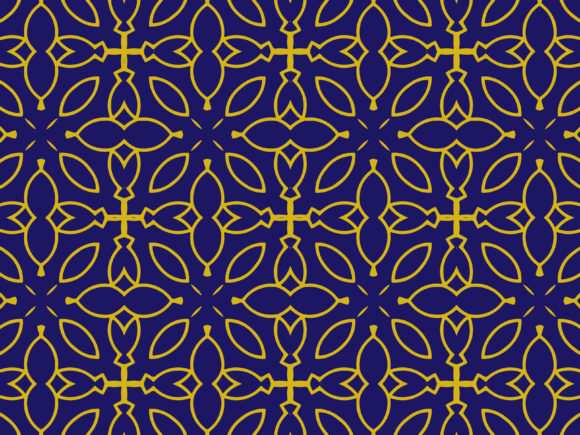
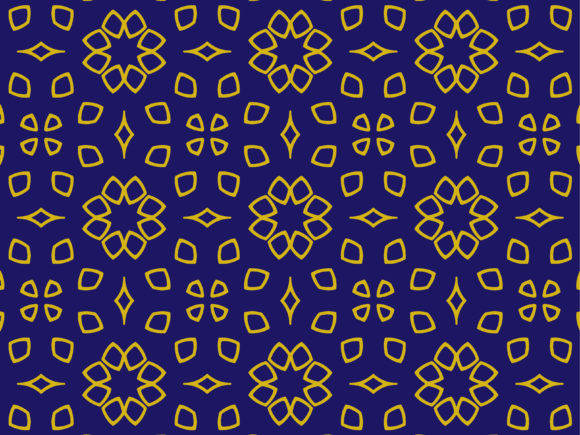
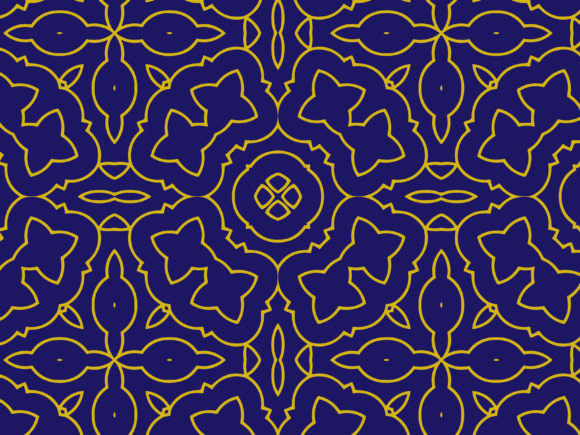
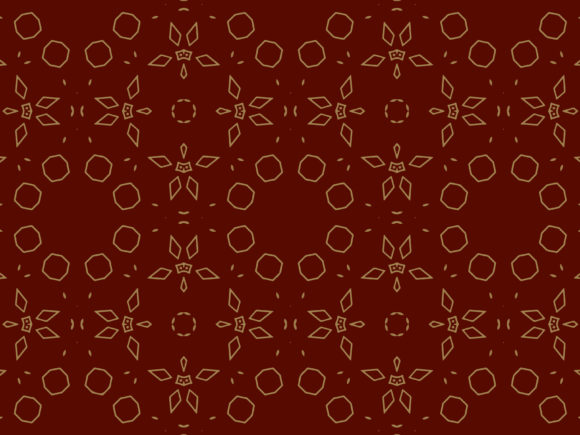
Ornament pattern Islamic illustration is a rich and intricate form of visual art that has been used for centuries in Islamic culture. These patterns are characterized by their geometric precision, symmetry, and repetition, often featuring floral, arabesque, and calligraphic elements. They are commonly found in mosques, palaces, textiles, and decorative arts across the Middle East, North Africa, and beyond. Whether used as a background, decor, or wallpaper, Ornament Pattern Islamic Illustration offers a unique blend of beauty and cultural significance.
For those interested in design, architecture, or interior decoration, these illustrations provide an elegant and sophisticated way to incorporate traditional Islamic aesthetics into modern spaces. The appeal lies in their ability to convey both historical depth and artistic complexity without relying on figurative imagery, which aligns with Islamic artistic principles.
Why Ornament Pattern Islamic Illustration Might Interest You
If you're looking for a design element that combines cultural richness with aesthetic appeal, Ornament Pattern Islamic Illustration could be an excellent choice. It's particularly popular among those who appreciate symmetry, geometric patterns, and abstract designs. This type of illustration is well-suited for backgrounds, wallpapers, and decorative elements in both residential and commercial settings.
Additionally, it's a great option for individuals seeking to add a touch of elegance and tradition to their interiors or digital projects. The motifs often used in these patterns—such as stars, polygons, and interlacing lines—are not only visually striking but also carry deep symbolic meanings rooted in Islamic culture.
Benefits of Using Ornament Pattern Islamic Illustration
- Cultural Significance: Incorporating these patterns can honor and celebrate Islamic heritage, making them ideal for events like Eid, Ramadan, or other culturally significant occasions.
- Versatility: These patterns can be adapted to various mediums, including wall art, textiles, digital backgrounds, and more. Their seamless nature makes them suitable for repeating designs in graphic applications.
- Elegance and Sophistication: The intricate details and balanced compositions contribute to a sense of refinement and timelessness.
- Non-figurative Art: Since Islamic art traditionally avoids depicting living beings, these patterns offer a universally appealing alternative that adheres to religious and artistic guidelines.
Considerations and Tradeoffs
While Ornament Pattern Islamic Illustration offers many benefits, there are also some considerations to keep in mind. For instance, the complexity of these designs may require careful planning when applying them to large surfaces such as walls or flooring. Overly intricate patterns can become overwhelming if not scaled appropriately.
Additionally, while these patterns are deeply rooted in Islamic tradition, they may not resonate with everyone. Some people might find the level of abstraction or the use of specific symbols less appealing compared to more contemporary or minimalist styles. It's important to evaluate how well these designs align with your personal taste and the overall aesthetic of your space.
Situations Where Ornament Pattern Islamic Illustration Is a Strong Fit
Ornament Pattern Islamic Illustration is especially well-suited for environments where cultural authenticity and artistic sophistication are priorities. This includes spaces such as mosques, cultural centers, or homes that aim to reflect Islamic values and traditions. It is also a popular choice for creating decorative backdrops for special events, such as Eid celebrations or Ramadan gatherings.
In digital contexts, these patterns are frequently used as backgrounds for websites, apps, and graphic templates. Their seamless and repeatable nature makes them ideal for creating cohesive visual identities that maintain a consistent look across different platforms.
When Alternatives May Be Worth Considering
While Ornament Pattern Islamic Illustration is a powerful design tool, there may be situations where other options are more appropriate. For example, if you're working within a modern or minimalist design framework, overly ornate Islamic patterns might clash with the intended aesthetic. In such cases, simpler geometric shapes or abstract patterns could be more effective.
Additionally, if you're designing for a broader, more diverse audience, it's worth considering whether the cultural specificity of Islamic ornamentation will be appreciated or misunderstood. In some contexts, using more universally recognizable motifs or neutral color palettes might be preferable.
Practical Decision-Making Insights
Before deciding to use Ornament Pattern Islamic Illustration, consider the following questions:
- What is the primary purpose of the design? Is it for cultural expression, aesthetic appeal, or functional use?
- Who is the target audience? Will they appreciate the symbolism and complexity of these patterns?
- How will the pattern be applied? Will it be on a large surface, digital media, or something else?
- Are there any cultural or religious considerations that need to be respected?
- Does the design complement the existing style and color scheme of the environment?
By carefully evaluating these factors, you can make a more informed decision about whether Ornament Pattern Islamic Illustration is the right choice for your project. Ultimately, the goal is to create a design that is both meaningful and visually pleasing, regardless of the medium or context in which it is used.