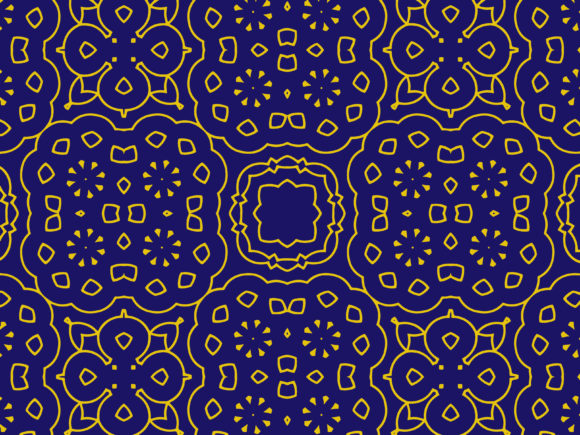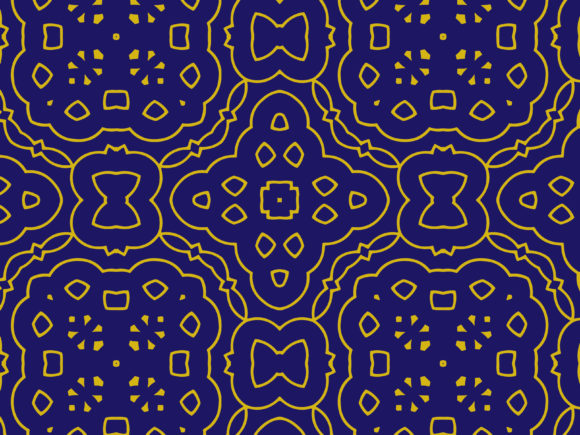
Pattern Islamic Ornament Illustration: A Versatile Design Element for Modern and Traditional Applications
Pattern Islamic Ornament Illustration is a design style rooted in centuries-old traditions, blending intricate geometric shapes, floral motifs, and calligraphic elements into visually stunning compositions. These patterns are not only rich in cultural significance but also highly versatile, making them ideal for use as backgrounds, decor, wallpapers, and more. Whether you're designing for digital or print media, understanding how to effectively integrate these ornamental illustrations can elevate the aesthetic of your projects while honoring the deep heritage behind them.
Understanding the Essence of Islamic Ornament Patterns
Islamic ornamentation is characterized by its emphasis on symmetry, repetition, and balance. Unlike Western decorative styles that often feature realistic imagery, Islamic art traditionally avoids depicting living beings, focusing instead on abstract and geometric forms. This makes it an excellent choice for creating seamless, repeating patterns suitable for various applications such as wallpaper, textiles, and graphic design.
The core elements of Islamic ornamentation include geometric shapes like stars, polygons, and interlocking lines, along with arabesque designs that incorporate flowing, curvilinear forms. These patterns are often inspired by nature, such as leaves and flowers, but stylized to fit within strict geometric frameworks. The result is a visual language that is both mathematically precise and artistically expressive.
Applications of Pattern Islamic Ornament Illustration
Pattern Islamic Ornament Illustration finds its way into numerous fields, from interior design to digital graphics. One of the most common uses is as a background or wallpaper, where its repetitive and seamless nature ensures a cohesive look without distracting from the primary content. It's particularly popular during special occasions like Ramadan and Eid, when homes and public spaces are adorned with traditional decorations.
In decor and interior design, Islamic patterns are used in tiles, carpets, and furniture. Their intricate details add depth and elegance to any space, whether it's a modern office or a traditional home. For those looking to infuse their surroundings with cultural richness, these patterns offer a timeless appeal.
For graphic designers and illustrators, Islamic ornament patterns serve as a valuable resource for creating unique visuals. They can be used in logos, packaging, and branding materials, providing a distinctive touch that resonates with audiences familiar with the culture. Additionally, these patterns are well-suited for digital assets, including templates, icons, and web banners.
Integrating Islamic Ornament Patterns into Your Workflow
When incorporating Islamic ornament patterns into your workflow, it's essential to consider factors such as compatibility, usability, and consistency. Here are some practical tips for integrating these patterns seamlessly:
- Choose the Right Format: Opt for vector-based formats like SVG or EPS if you need scalability, especially for print or large-scale displays. PNG files are also useful for digital use, particularly when transparency is required.
- Ensure Seamless Repetition: When using patterns as backgrounds or wallpapers, make sure they are designed to repeat without visible seams. This requires careful planning during the illustration process, ensuring that the edges align perfectly.
- Use Compatible Tools: Many design platforms, such as Adobe Illustrator, Photoshop, and Canva, support pattern creation and application. Familiarize yourself with these tools to maximize efficiency and quality control.
- Consider Cultural Context: While Islamic patterns are visually appealing, it's important to understand their cultural significance. Using them respectfully and appropriately can enhance the impact of your design and ensure it resonates with the intended audience.
Practical Implementation Examples
Let's explore how Islamic ornament patterns can be applied in different scenarios:
1. Digital Backgrounds: Create a seamless background for a website or app using an Islamic pattern. This can be done by importing the pattern into your design software and setting it as a tile. Ensure that the colors and complexity of the pattern complement the overall design.
2. Interior Decor: Use Islamic tile patterns as inspiration for custom wall murals or decorative panels. These can be printed on high-quality paper or fabric and installed in spaces like living rooms, offices, or mosques.
3. Packaging Design: Incorporate Islamic motifs into product packaging to create a unique and culturally rich brand identity. This is especially effective for products related to Islamic culture, such as greeting cards, calendars, or religious items.
4. Textile Design: Islamic patterns are commonly found in traditional textiles like rugs and cushions. By applying these patterns to modern textile designs, you can bridge the gap between tradition and contemporary aesthetics.
Factors to Consider for Long-Term Use
To ensure that your use of Islamic ornament patterns remains effective and relevant over time, consider the following factors:
- Quality Control: Always use high-resolution images and ensure that the patterns are crisp and clear, even when scaled up or down.
- Consistency: Maintain a consistent color palette and design language across all projects to build a recognizable brand or aesthetic.
- Organization: Keep your pattern library organized, categorized by type, size, and usage. This will save time and improve efficiency, especially when working on multiple projects.
- Adaptability: Be open to modifying or combining patterns to suit different contexts. This flexibility allows you to adapt the same base design to various applications, from small accents to large-scale installations.
By thoughtfully integrating Pattern Islamic Ornament Illustration into your work, you can create visually compelling designs that honor tradition while meeting modern needs. Whether you're a designer, decorator, or enthusiast, these patterns offer endless possibilities for creativity and expression.