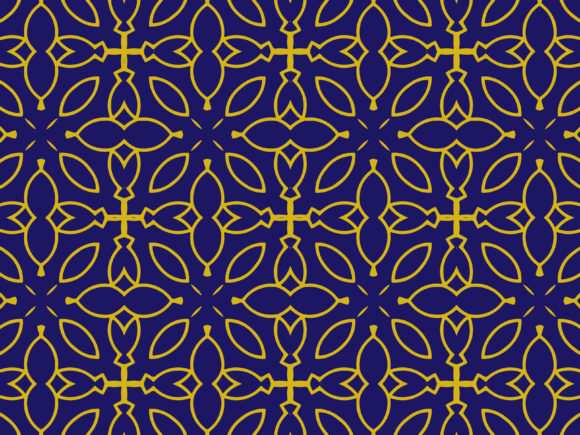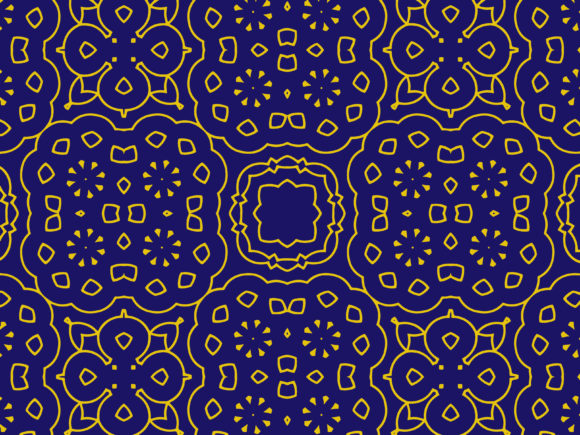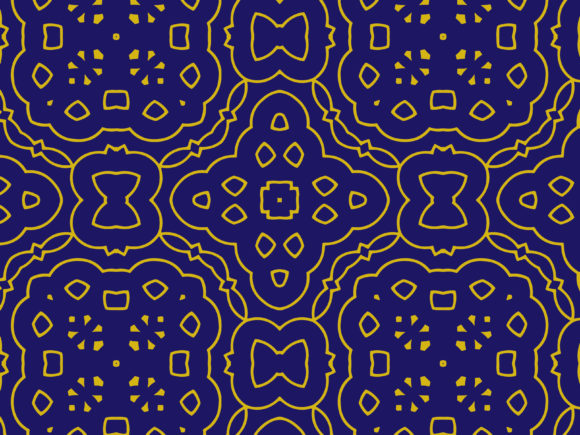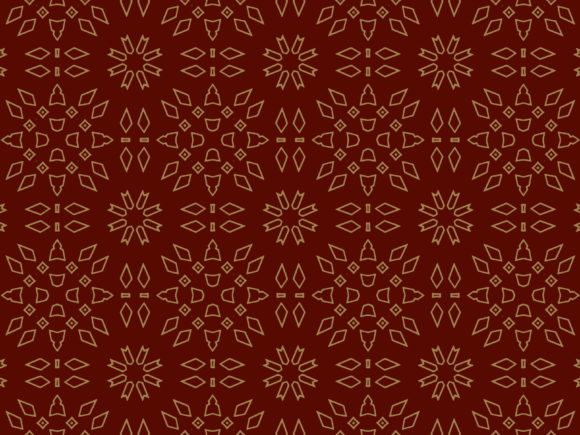
Vector Pattern Islamic Illustration: A Versatile Design Element for Modern and Traditional Spaces
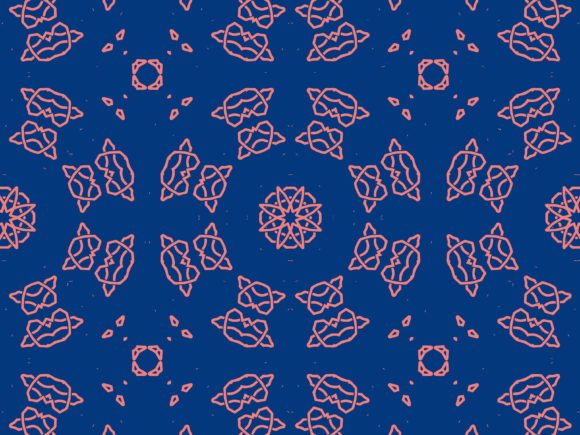
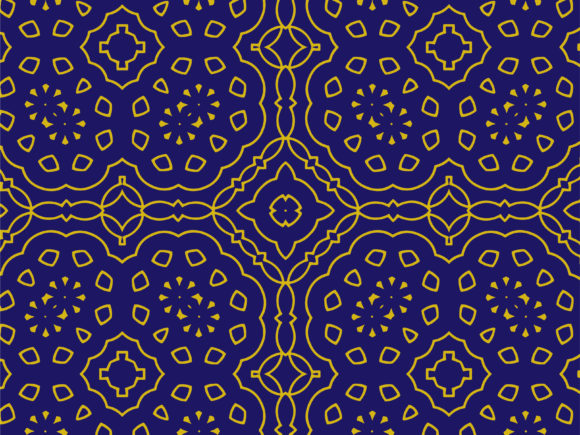
Vector Pattern Islamic Illustration is a dynamic and intricate design style rooted in centuries-old Islamic art. It combines geometric precision with ornate detailing to create visually stunning patterns that are both symbolic and aesthetically pleasing. These illustrations are often used as background elements, decor, or wallpaper, offering a seamless and elegant way to incorporate Islamic culture into various spaces.
Whether you're designing a home, a commercial space, or digital content, Vector Pattern Islamic Illustration provides a unique blend of tradition and modernity. Its adaptability makes it suitable for a wide range of applications, from religious settings like mosques to contemporary interiors and even digital media such as websites and social media graphics.
Real-World Applications of Vector Pattern Islamic Illustration
The beauty of Vector Pattern Islamic Illustration lies in its versatility. Here are some real-world scenarios where it can be effectively used:
- Home Decor: From wall murals to cushions and rugs, these patterns add an elegant touch to any living space. Their symmetrical and repetitive nature makes them ideal for creating a sense of harmony and balance.
- Commercial Spaces: Hotels, cafes, and boutiques often use Islamic patterns to reflect cultural heritage while maintaining a modern aesthetic. They can be used on walls, flooring, or even as part of branding elements.
- Digital Media: Websites, mobile apps, and social media platforms benefit from the visual appeal of Islamic patterns. They can serve as backgrounds, icons, or decorative elements that resonate with a global audience.
- Religious Settings: Mosques and places of worship frequently incorporate these designs into their architecture and interior decor. The intricate motifs symbolize unity and infinity, aligning with Islamic teachings.
These patterns are not limited to traditional uses; they can also be adapted for modern purposes such as fashion, packaging, and graphic design. Their ability to be scaled without losing quality makes them particularly useful for digital projects.
Who Benefits from Using Vector Pattern Islamic Illustration?
Various users can benefit from incorporating Vector Pattern Islamic Illustration into their work or personal spaces. Here's how different audiences might find value in these designs:
- Interior Designers: They can use these patterns to create culturally rich environments that appeal to clients seeking a unique blend of tradition and modernity.
- Artists and Graphic Designers: The geometric complexity and symmetry of Islamic patterns offer endless creative possibilities. Artists can draw inspiration from these motifs to create new works that honor cultural heritage.
- Business Owners: Incorporating Islamic patterns into branding or store decor can attract customers who appreciate cultural authenticity and aesthetics.
- Cultural Enthusiasts: Individuals interested in Islamic art and history may enjoy using these patterns in their homes or personal projects as a tribute to the rich artistic legacy of the Islamic world.
Additionally, educators and cultural institutions may find these illustrations useful for teaching about Islamic art, history, and design principles. They provide a tangible connection to the past while being relevant to contemporary design trends.
Considerations Before Using Vector Pattern Islamic Illustration
While Vector Pattern Islamic Illustration offers many benefits, there are several factors to consider before using them in your project:
- Cultural Sensitivity: It's important to approach Islamic art with respect and understanding. Ensuring that the patterns are used appropriately and not in a way that could be seen as disrespectful is crucial.
- Design Compatibility: These patterns should be chosen based on the overall design scheme of the space or project. They may not be suitable for every context, so it's essential to ensure they complement other elements.
- Quality and Scalability: When selecting vector files, ensure they are high-resolution and scalable. This will help maintain clarity and detail when used in large formats like wallpapers or signage.
- Color Selection: While traditional Islamic patterns often feature muted colors, modern interpretations may use more vibrant palettes. Choosing colors that align with the intended use and environment is key.
By keeping these considerations in mind, users can make informed decisions that enhance the visual impact and cultural relevance of their projects.
Strengths and Limitations of Vector Pattern Islamic Illustration
One of the main strengths of Vector Pattern Islamic Illustration is its timeless appeal. The intricate designs have been admired for centuries and continue to inspire contemporary artists and designers. Their geometric nature allows for endless variations, making them adaptable to different styles and purposes.
Another advantage is their scalability. As vector-based images, these patterns can be resized without losing quality, which is especially beneficial for digital applications and large-format printing. This flexibility makes them a popular choice for a wide range of industries.
However, there are also limitations to consider. Some complex patterns may be challenging to integrate into certain design contexts, requiring careful planning and execution. Additionally, while many resources are available online, ensuring the authenticity and accuracy of the patterns is essential to avoid misrepresentation.
Despite these challenges, the potential for creativity and cultural expression through Vector Pattern Islamic Illustration remains vast. With thoughtful application, these designs can transform spaces and projects in meaningful ways.