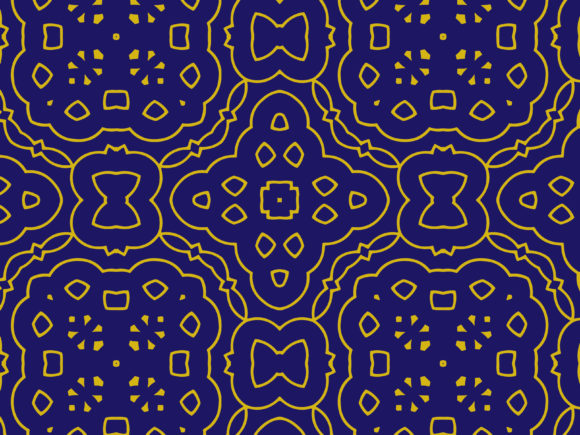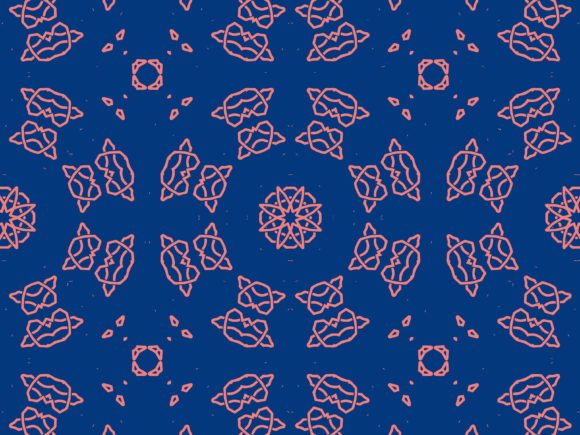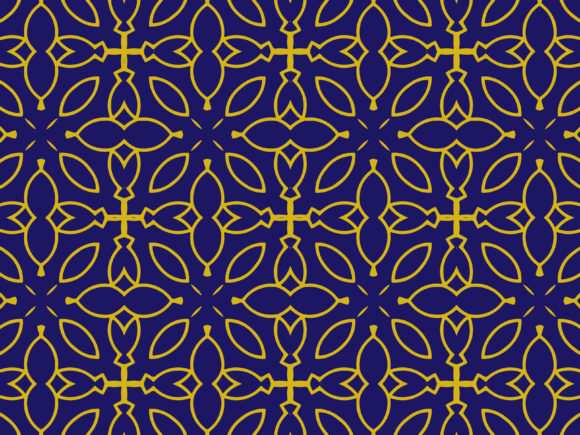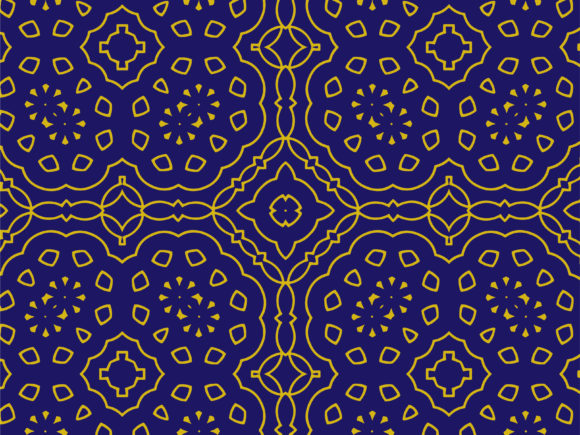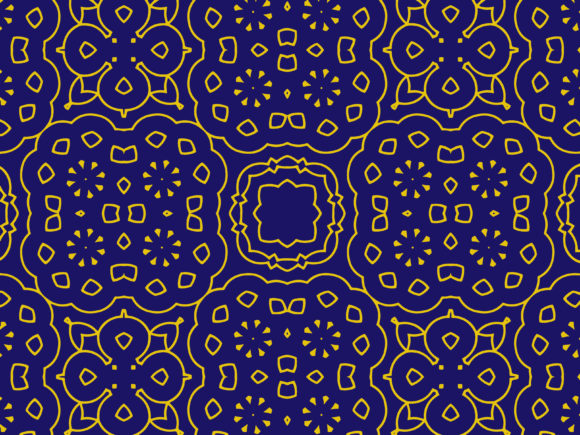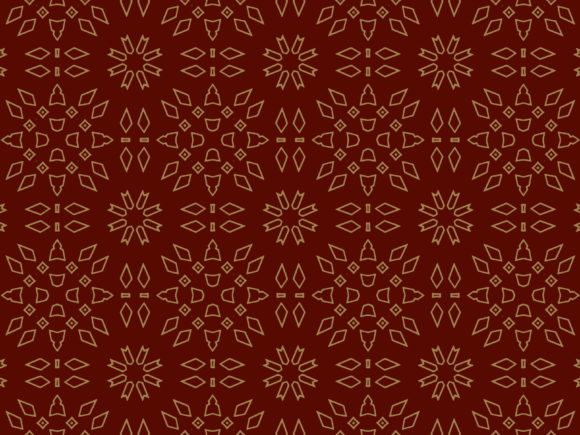
Sharp Pattern Islamic Illustration: A Versatile Design Element for Modern and Traditional Applications
Sharp Pattern Islamic Illustration represents a unique blend of geometric precision, cultural heritage, and artistic elegance. This design style is rooted in centuries-old Islamic art traditions, characterized by intricate symmetry, repetition, and the use of abstract forms to create visually compelling compositions. Whether used as a background, decor element, or wallpaper, Sharp Pattern Islamic Illustration offers a timeless aesthetic that can be adapted across various mediums and industries.
Understanding Sharp Pattern Islamic Illustration
At its core, Sharp Pattern Islamic Illustration is defined by its use of sharp angles, clean lines, and repetitive motifs. These patterns are often inspired by traditional Islamic architecture, calligraphy, and tilework found in regions such as Morocco, the Arabian Peninsula, and Southeast Asia. The emphasis on geometry and symmetry makes this style particularly well-suited for digital applications, including graphic design, web development, and print media.
The versatility of Sharp Pattern Islamic Illustration lies in its ability to be scaled seamlessly without losing clarity or detail. This makes it an excellent choice for backgrounds, especially when used in repeating formats. Its adaptability ensures that it can be incorporated into both minimalist and ornate designs, depending on the context and color palette chosen.
Integrating Sharp Pattern Islamic Illustration into Your Workflow
Incorporating Sharp Pattern Islamic Illustration into your creative workflow requires careful planning and consideration of the final application. For instance, if you're designing a website, using this pattern as a backdrop can add a subtle layer of cultural richness without overwhelming the content. Similarly, in print media, these illustrations can serve as elegant borders or decorative elements that enhance the visual appeal of the piece.
Before beginning a project, it's essential to understand the purpose of the illustration. Are you creating a background for a mobile app? A decorative tile for a home interior? Or perhaps a seamless wallpaper for a digital product? Each use case may require different considerations regarding scale, resolution, and color contrast.
During the design phase, consider how the pattern interacts with other visual elements. For example, pairing Sharp Pattern Islamic Illustration with Arabic calligraphy can create a cohesive and culturally resonant design. It’s also important to ensure that the pattern doesn't clash with text or images it's meant to complement.
After the initial design, testing the pattern in different contexts is crucial. How does it look at various resolutions? Does it maintain its integrity when tiled across large surfaces? These practical questions will help determine whether the illustration meets the intended goals and expectations.
Practical Implementation Tips
To effectively use Sharp Pattern Islamic Illustration, start by sourcing high-quality assets. Many designers and artists offer vector-based versions of these patterns, which are ideal for scalability and flexibility. When selecting a pattern, pay attention to the level of detail and the balance between complexity and readability.
Consider the color scheme carefully. While traditional Islamic patterns often feature rich hues like deep blues, golds, and greens, modern adaptations might incorporate more subdued tones or even monochrome palettes. Experimenting with different color combinations can yield unexpected and striking results.
When working with digital tools, ensure that the pattern is optimized for the platform. For example, if you're using it as a background in a web design project, make sure it loads efficiently and doesn’t interfere with page performance. Tools like Adobe Illustrator or Inkscape can help in editing and refining the pattern before final implementation.
Another useful tip is to maintain consistency across all design elements. If you're using Sharp Pattern Islamic Illustration in multiple parts of a project, such as headers, footers, and sidebars, ensure that the pattern remains uniform in terms of style and scale. This helps in creating a cohesive and professional appearance.
Use Cases and Real-World Applications
Sharp Pattern Islamic Illustration finds its place in a wide range of applications. In the realm of digital design, it can be used as a background for websites, mobile apps, and social media graphics. Its intricate yet balanced nature makes it suitable for both modern and traditional aesthetics.
In interior design, these patterns can be printed on textiles, wall coverings, or tiles to add an ornate touch to spaces. They are particularly popular during events like Eid or Ramadan, where they can be used to create a festive atmosphere.
For branding and marketing purposes, incorporating Sharp Pattern Islamic Illustration can help establish a strong cultural identity. It's especially effective for businesses targeting Muslim communities or those looking to emphasize themes of tradition, elegance, and spirituality.
Additionally, these patterns can be used in educational materials to teach about Islamic art, history, and culture. Their visual complexity and historical significance make them engaging tools for students and educators alike.
Choosing the Right Tools and Resources
Selecting the right tools and resources is key to successfully implementing Sharp Pattern Islamic Illustration. Vector-based software such as Adobe Illustrator, CorelDRAW, or free alternatives like Inkscape are ideal for creating and editing these patterns. These programs allow for precise control over shapes, colors, and repetitions, ensuring that the final output is both accurate and aesthetically pleasing.
Online marketplaces like Adobe Stock, Shutterstock, or specialized Islamic design platforms can provide access to pre-made patterns that are ready to use. However, it's important to verify the licensing terms to ensure that the usage aligns with your project requirements.
Collaboration with designers who specialize in Islamic art can also be beneficial. They can offer insights into the cultural nuances and technical aspects of the patterns, helping you avoid common pitfalls and ensuring that the design is respectful and authentic.
Lastly, staying updated with current trends in Islamic design can help you stay ahead in your creative projects. Following design blogs, attending workshops, or joining online communities dedicated to Islamic art can provide valuable inspiration and guidance.
Conclusion
Sharp Pattern Islamic Illustration is more than just a decorative element—it's a powerful tool that can enhance the visual impact of any project. Whether you're a designer, marketer, educator, or entrepreneur, understanding how to integrate this style into your work can open up new creative possibilities and opportunities for cultural expression. By considering factors such as purpose, compatibility, and quality, you can ensure that Sharp Pattern Islamic Illustration becomes a valuable asset in your creative toolkit.