Islamic Pattern Ornament Illustration
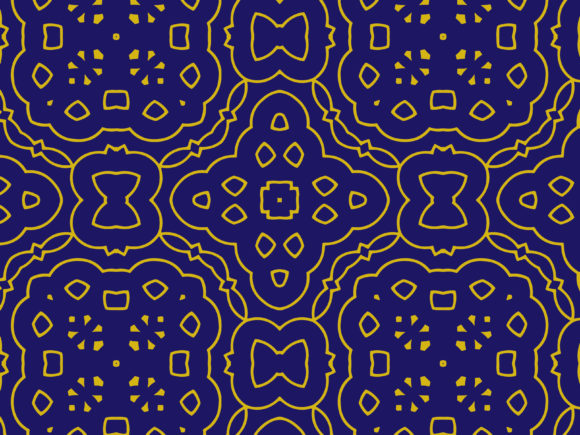
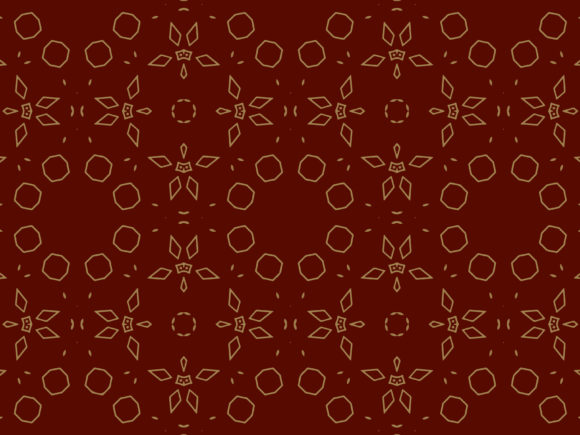
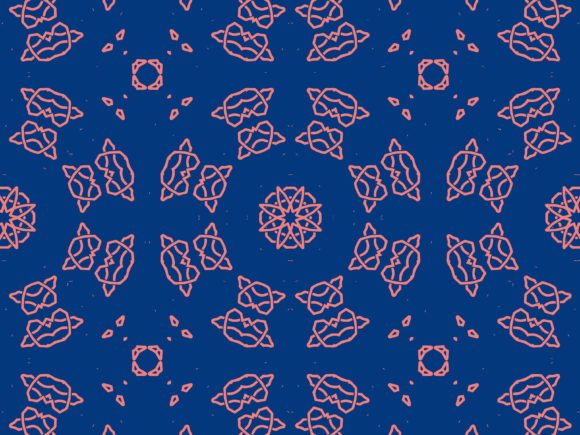
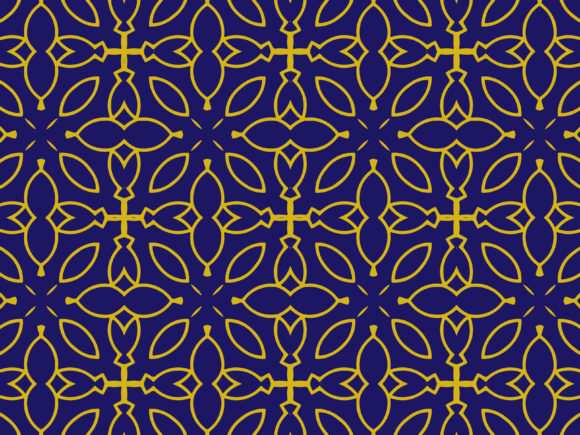
The intricate beauty of Pattern Ornament Islamic Illustration has captivated artists, designers, and enthusiasts for centuries. These designs, rooted in deep cultural and religious traditions, offer a unique blend of symmetry, geometry, and artistry that can transform any space or project. Whether you're looking for a background, wallpaper, or decoration, Islamic patterns provide endless creative possibilities.
At the heart of these illustrations is a focus on geometric shapes, repeating motifs, and seamless tiling. The use of symmetry and balance creates an elegant visual rhythm that feels both timeless and modern. This makes them particularly suitable for graphic design, interior decor, and even digital media.
Creative Possibilities with Islamic Patterns
One of the most appealing aspects of Pattern Ornament Islamic Illustration is its versatility. It can be adapted to fit a wide range of applications, from mosque decoration to modern home interiors. Designers often use these elements as vector graphics, allowing for easy scaling and modification without losing quality.
- Wallpaper: Use Islamic patterns as seamless backgrounds for digital or physical spaces.
- Decor: Incorporate tile motifs or mosaic textures into furniture, rugs, or wall art.
- Graphic Design: Apply oriental or Arabian styles to branding, logos, or packaging.
- Textiles: Create vintage or elegant fabric designs using traditional Islamic geometric forms.
These patterns are also popular during special occasions like Ramadan or Eid, where they are used to create mubarak (blessed) decorations. Their abstract nature allows for reinterpretation across different cultural and artistic contexts.
Designing with Islamic Ornamental Elements
If you're new to working with Islamic pattern illustration, start by studying the foundational elements: geometry, repetition, and balance. Many traditional patterns use star polygons, interlocking shapes, and calligraphic influences to create complex yet harmonious compositions.
For digital design, consider using vector-based tools that allow for precise control over repeat functions. This ensures your pattern remains consistent when scaled up or tiled across large surfaces. You can also experiment with color variations to suit different themes or spaces.
When designing for interior decoration, think about how the texture and density of the pattern will affect the overall feel of the room. A more ornate design might work well in a Moroccan or Oriental setting, while a simpler, more abstract version could complement modern or minimalist aesthetics.
Applications Across Different Formats
Pattern Ornament Islamic Illustration is not limited to static designs. It can be used in various formats including:
- Web Design: As backgrounds or decorative elements on websites, especially those related to Islam, Arabic culture, or Eastern art.
- Print Media: In magazines, books, or posters that explore history, religion, or design.
- Product Design: On ceramics, textiles, or stationery to add a touch of elegance and cultural richness.
- Architecture: In mosques, public buildings, or residential homes to reflect Islamic heritage.
Each format requires a slightly different approach. For example, web backgrounds need to be optimized for performance, while print media may require higher resolution and careful color management.
Getting Started with Islamic Pattern Design
If you're inspired to try creating your own Islamic ornament illustrations, begin by exploring traditional sources such as Arabian or Moroccan tilework. You can find many templates online that serve as a starting point for your designs.
Use software like Adobe Illustrator or free alternatives like Inkscape to build your patterns. Focus on repetition and consistency to ensure your design works seamlessly when tiled. Experiment with different color palettes to see how they affect the mood and tone of your piece.
Consider how your design will be used. If it's for digital media, keep it clean and scalable. If it's for physical products, pay attention to material compatibility and printing techniques.
Remember, the key to successful Islamic pattern design lies in understanding the spirit behind the art. These patterns are not just decorative—they carry cultural significance and religious meaning. Approach your work with respect and intention to create something truly meaningful.
Whether you're an artist, designer, or enthusiast, Pattern Ornament Islamic Illustration offers a rich source of inspiration that can be adapted to fit your needs. With a bit of creativity and technical skill, you can bring these beautiful designs to life in ways that honor their origins while embracing modern applications.