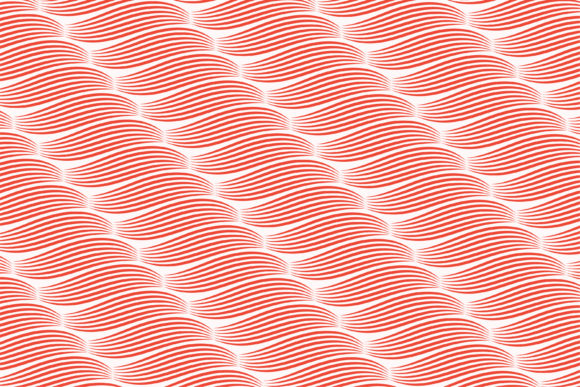
Red Wave Line Pattern: A Dynamic Design Element for Modern Applications
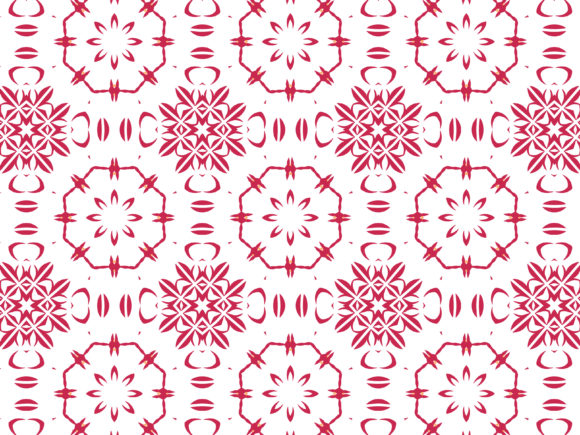
The Red Wave Line Pattern is a striking design feature that has gained popularity in various creative fields, especially in digital and print media. This pattern is characterized by its seamless diagonal waves, offering a flowing and dynamic visual effect. Its use of red color makes it stand out, while the line-based structure ensures versatility across multiple applications. Whether used as a background, decorative element, or part of a larger graphic design, the Red Wave Line Pattern adds a modern and stylish touch to any project.
What Makes Red Wave Line Pattern Unique?
The Red Wave Line Pattern stands apart from other similar designs due to its diagonal wave structure and seamless repetition. Unlike traditional wavy patterns that may appear more organic or chaotic, this pattern uses a structured approach with geometric shapes to create a sense of movement and rhythm. The red color palette adds vibrancy and emotional impact, making it ideal for projects that require attention-grabbing visuals.
This pattern is particularly well-suited for digital media such as web banners, social media covers, and mobile app interfaces. Its vector format ensures scalability without loss of quality, which is essential for high-resolution outputs like print materials or textile designs.
Comparing Red Wave Line Pattern with Similar Designs
When considering alternatives to the Red Wave Line Pattern, several options come to mind, each with its own set of strengths and limitations. For instance, striped textures offer a simpler and more classic look but lack the dynamic movement that the wave pattern provides. Similarly, mosaic patterns can be visually engaging but often require more complex compositions that may not suit minimalist designs.
Abstract backgrounds are another popular alternative. While they provide a great deal of flexibility, they can sometimes be too vague or difficult to integrate into specific layouts. In contrast, the Red Wave Line Pattern offers a clear and consistent visual language that works well in both modern and retro contexts.
For those looking for a soft and flowing aesthetic, watercolor-inspired designs might seem appealing. However, these often have a less structured appearance, which may not be suitable for professional or commercial applications where clarity and precision are key.
Best-Fit Situations for Red Wave Line Pattern
The Red Wave Line Pattern excels in scenarios where a bold yet elegant visual statement is needed. It is particularly effective in fashion design, where it can be used to add texture to fabrics or as a decorative element on apparel. In the realm of interior design, this pattern can serve as a wallpaper or decorative panel, bringing energy and style to any room.
In digital marketing, the Red Wave Line Pattern is an excellent choice for banners, email templates, and social media graphics. Its vector illustration format allows for easy customization and scaling, ensuring that it looks sharp on any device or screen size.
For print media, including posters, book covers, and packaging designs, this pattern can add a trendy and modern feel without overwhelming the overall design. Its simple and clean lines make it adaptable to a wide range of styles, from minimalist to ornamental.
Strengths and Tradeoffs
The Red Wave Line Pattern has several notable strengths. First, its seamless nature makes it easy to apply across large surfaces without visible seams or disruptions. Second, the red color is highly versatile and can be adjusted in tone and saturation to fit different contexts. Finally, the line-based structure ensures that the pattern remains lightweight and easy to manipulate, even in complex compositions.
However, there are also some tradeoffs to consider. The red color, while vibrant, may not be suitable for all projects—especially those that require a neutral or subdued palette. Additionally, the diagonal wave structure may not be appropriate for every layout, particularly when working with symmetrical or balanced compositions.
Another consideration is the complexity of integrating this pattern into a larger design. While it can enhance a composition, it should be used thoughtfully to avoid overpowering other elements. This requires careful planning and a good understanding of visual hierarchy and design balance.
Practical Examples and Use Cases
To better understand how the Red Wave Line Pattern can be applied in real-world scenarios, consider the following examples:
- Web Design: Used as a background for a landing page, the pattern can add depth and interest without distracting from the main content.
- Fashion Design: Incorporated into textile prints, it can give garments a modern and stylish appearance, especially in accessories like scarves or bags.
- Interior Design: Applied as a wallpaper or feature wall, it can create a dramatic and eye-catching focal point in a room.
- Packaging Design: Used as a label design or box wrap, it can help products stand out on store shelves with a unique and memorable look.
These examples illustrate how the Red Wave Line Pattern can be adapted to different mediums and purposes. Its versatility makes it a valuable tool for designers across various industries.
Choosing Between Red Wave Line Pattern and Alternatives
When deciding whether to use the Red Wave Line Pattern or an alternative, several factors should be considered. These include the project's purpose, the target audience, and the overall design goals. For instance, if the goal is to create a bold and dynamic visual, the Red Wave Line Pattern may be the best choice. However, if the goal is to achieve a calm and subtle look, a solid color or minimalist design may be more appropriate.
It's also important to consider the context in which the pattern will be used. In professional settings, a more refined and balanced design may be preferred over something more experimental or playful. Conversely, in creative or artistic projects, the Red Wave Line Pattern can be a powerful way to express movement and energy.
Ultimately, the decision to use the Red Wave Line Pattern should be based on a thorough evaluation of the project requirements and the desired outcome. By weighing the strengths and limitations of this pattern against other options, designers can make informed choices that align with their creative vision and practical needs.